Acne is one of the most common skin concerns at every age, and it can be frustrating when pimples keep coming back. The good news is that most mild to moderate breakouts improve with a gentle, steady routine. This guide explains why pimples form, what you can do every day and when it is time to see a doctor.
Pimples usually start when the pores become blocked with excess oil (sebum) and dead skin cells. Bacteria that live on the skin can then grow inside the blocked pore and cause redness and swelling. Hormonal changes, stress, heavy or oily cosmetics, sweating, and in some people certain foods or medicines can make breakouts worse.
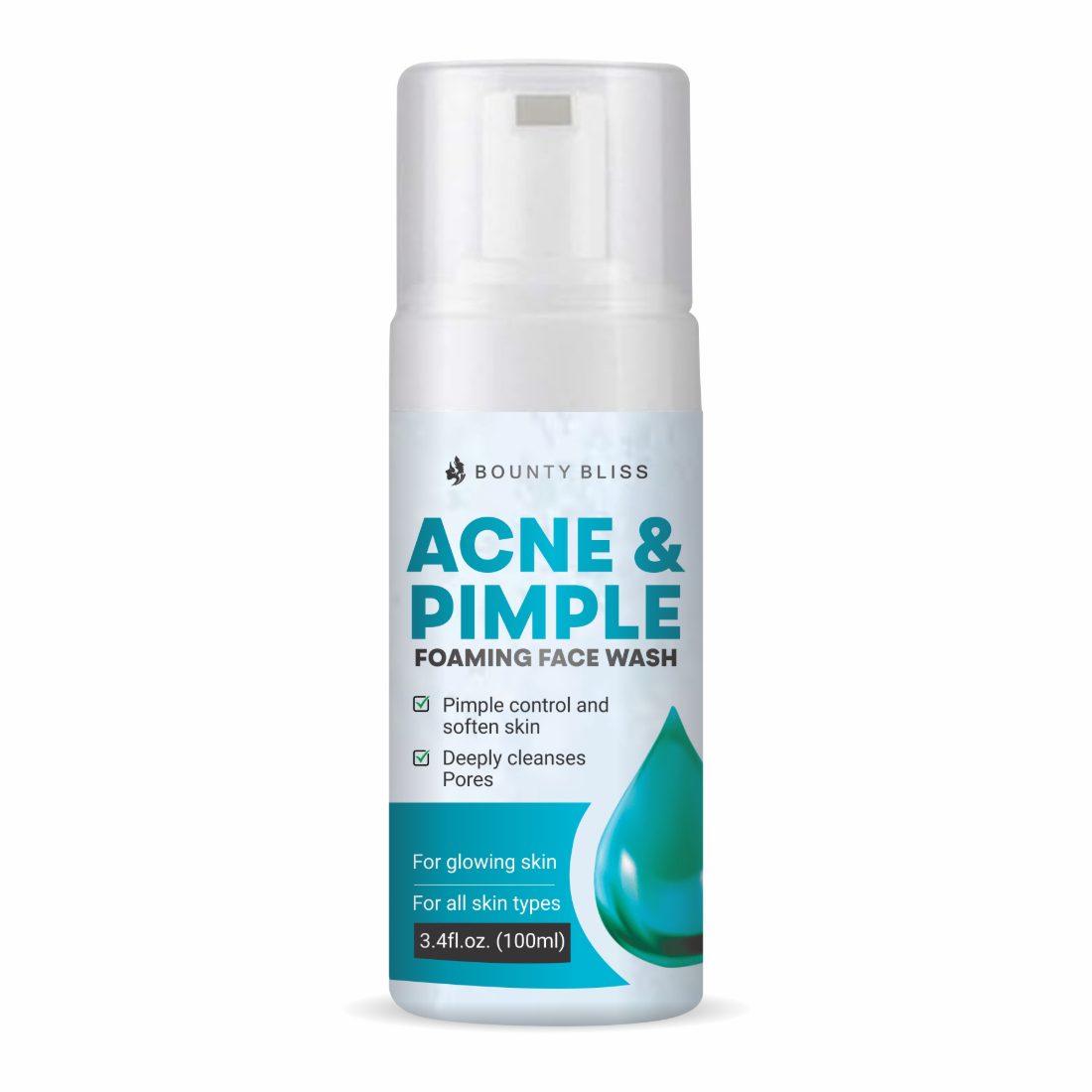
Bounty Bliss Acne & Pimple Foaming Face Wash is a foaming wash made for acne-prone skin. For targeted care on individual spots, there is Bounty Bliss Anti Acne Gel. If you prefer a cleanser built around salicylic acid, New Skiin Salicylic Acid Foam Cleanser is another option. Salicylic acid is a well known ingredient that helps clear oil and dead cells from inside the pores.
Always read the ingredient list on each product page. Start with one new product at a time, and do a patch test behind the ear or on the inner arm first, so you can see how your skin reacts.
See a dermatologist if you have painful, deep lumps (cystic acne), breakouts that leave scars, acne that does not improve after two months of steady care, or acne that appears suddenly together with other symptoms. Prescription treatments can work much faster than anything bought over the counter and can prevent permanent scarring.
This article is for general information and is not medical advice.