Kojic acid is one of the best-known ingredients in brightening skin care, and it is the star of Kojic Acid Soap in our soap collection. This guide explains where kojic acid comes from, what else is in the bar, how to use it, and how to set realistic expectations.
Kojic acid was first discovered during the process of making rice-based Japanese wines. Today it is used in many skin brightening products because it is associated with helping the skin look more even, including the look of dark spots and uneven discoloration.
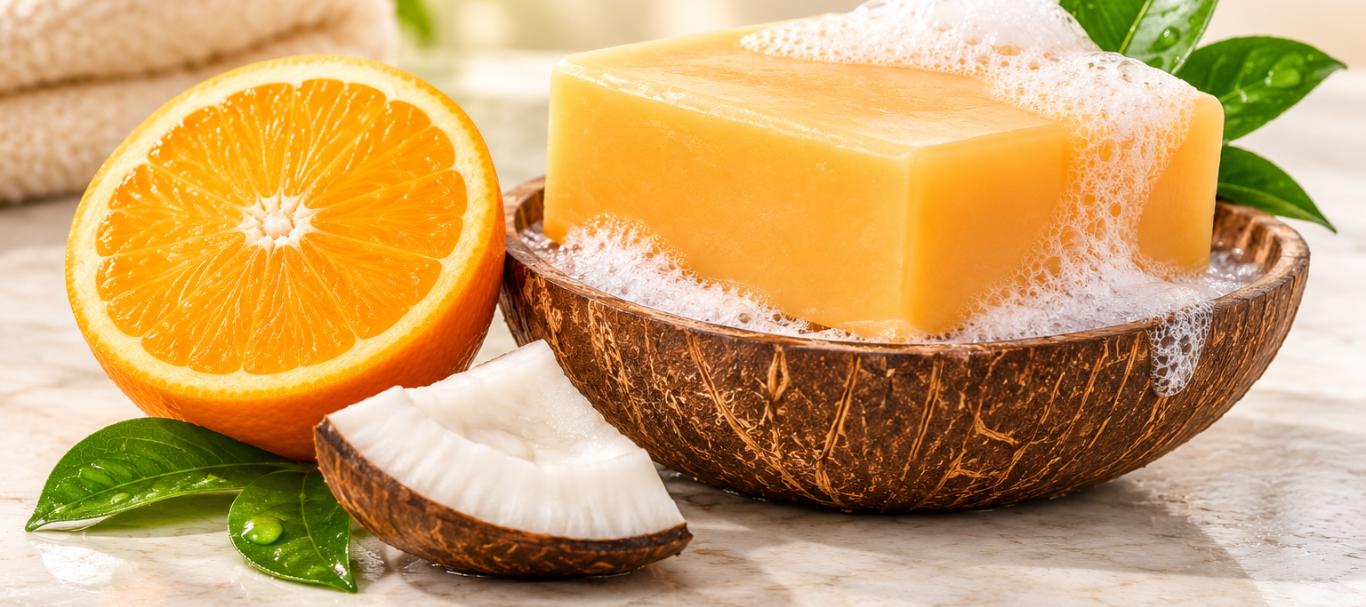
This is a 65 gram bar sold individually for ₹900, and it has a 4.8 rating from five customer reviews on Dermats Labs, which makes it one of the highest-rated soaps in the range. According to the listing, it pairs kojic acid with nourishing coconut oil and a fresh orange fragrance, and it is suitable for both face and body.
The listing says regular use may help reduce the appearance of uneven skin tone concerns, including freckles, age spots, dark marks left by pimples, and rough, darker areas on elbows and knees. It also mentions help with blemishes on acne-prone skin. These are the goals the product is aimed at; individual results vary.
Start with once a day and increase only if your skin is comfortable.
Skin tone changes slowly. The listing talks about fast results, but it is more realistic to allow several weeks of consistent use before judging. Take a photo in the same light every two weeks so you can compare. Results depend on your skin type, sun exposure and how often you use the bar.
If you want a glutathione-based option instead, see our guides to the Kojie San soap and the Belo soap. For a gentler fruit-based bar, read about the Renew Papaya soap.
The listing says it is suitable for both. Patch test first and go gently on the face.
A 65 gram bar is smaller than the 135 gram soaps in our range, so with daily use it may last a few weeks. Keep it dry between uses to make it last longer.
You can order it from the Dermats Labs product page or browse more bars in the soap category.
This article is for general information and is not medical advice. Consult a dermatologist for personal skin concerns.