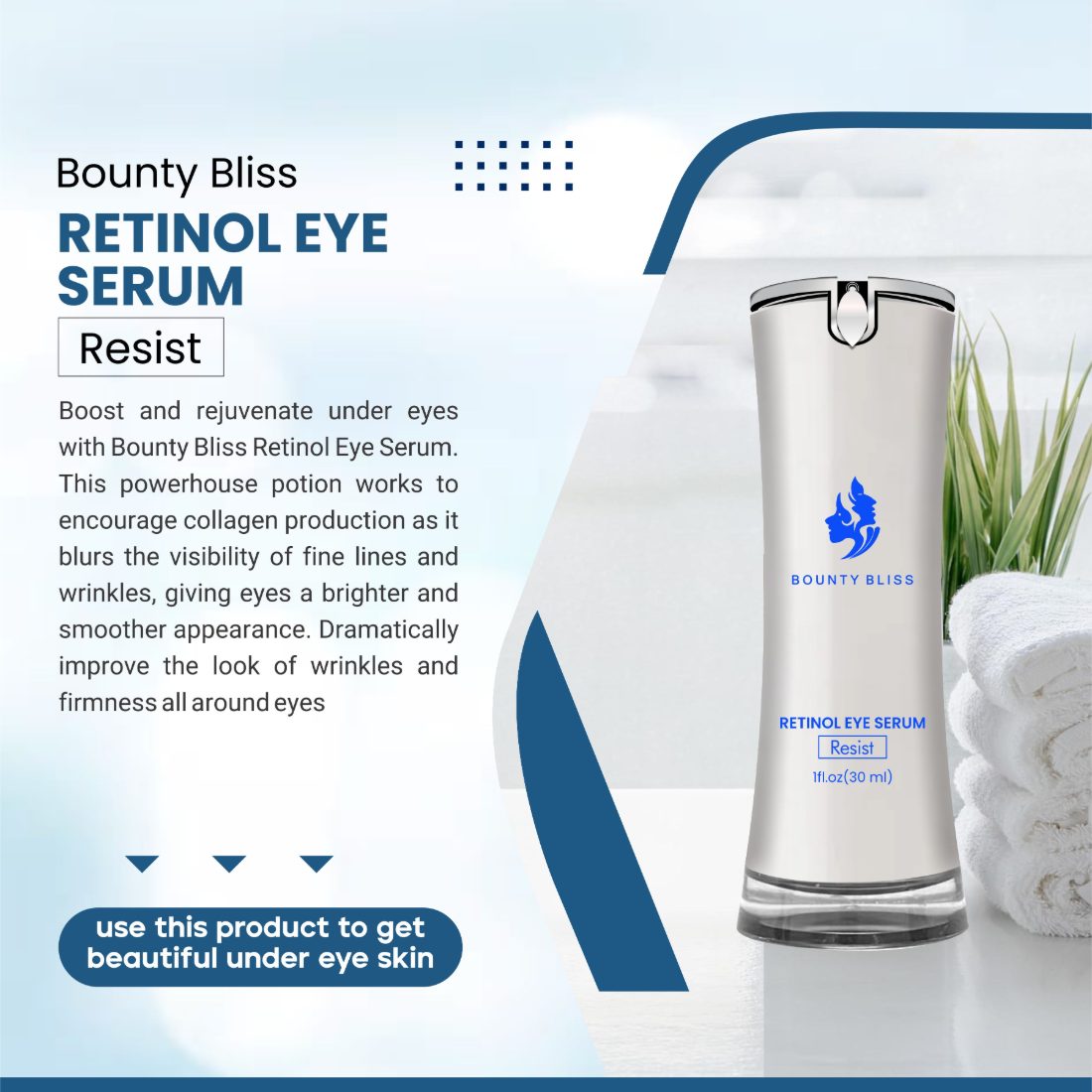
Retinol is a form of vitamin A that is widely used in night-time skin care. It is popular because many people find that, with steady use over weeks to months, skin looks smoother and more even. It is also a product that irritates skin when it is started too fast, so a slow start matters more than the strength of the product.
What retinol may help with
- Rough or uneven skin texture
- The look of fine lines
- Dull, uneven tone and some marks left behind by pimples
Results vary from person to person and take time. Most people need at least 8 to 12 weeks of regular use before judging a retinol product.
How to start safely
- Patch test first. Apply a small amount behind the ear or on the jaw line for a few days.
- Start two nights a week. Use a pea-size amount for the whole face, on clean, completely dry skin.
- Moisturise after. A plain moisturiser reduces dryness and stinging.
- Add nights slowly. If skin feels comfortable after two weeks, move to every second night, then to most nights.
- Stay away from the corners of the nose, the mouth and the eyelids at the beginning, as skin there is thinner.
Common mistakes
- Using it every night from day one.
- Using it together with strong exfoliants or several other active products on the same night.
- Skipping sunscreen. Retinol can make skin more sensitive to sun, so a daily broad-spectrum sunscreen is part of the routine. Read our sunscreen guide for how to choose and reapply it.
- Expecting overnight results and then increasing the amount. More product does not mean faster results.
Who should be careful
Retinol products are generally not recommended during pregnancy or while trying to conceive, so ask your doctor first. Also avoid it on broken, sunburnt or very irritated skin, and check with a dermatologist if you have eczema, rosacea or very sensitive skin.
Retinol products at Dermats Labs
Browse more in our serum and cream categories. Always follow the directions printed on the pack.
This guide is general skin care information, not medical advice. If you have a skin condition, are pregnant or breastfeeding, or your skin reacts badly to a product, please talk to a dermatologist.